Spa Removal in Seattle
A residential spa may sit on a patio, inside an enclosure, or within a deck. Clear dimensions and route photos help determine whether it can move intact or needs to be dismantled first.
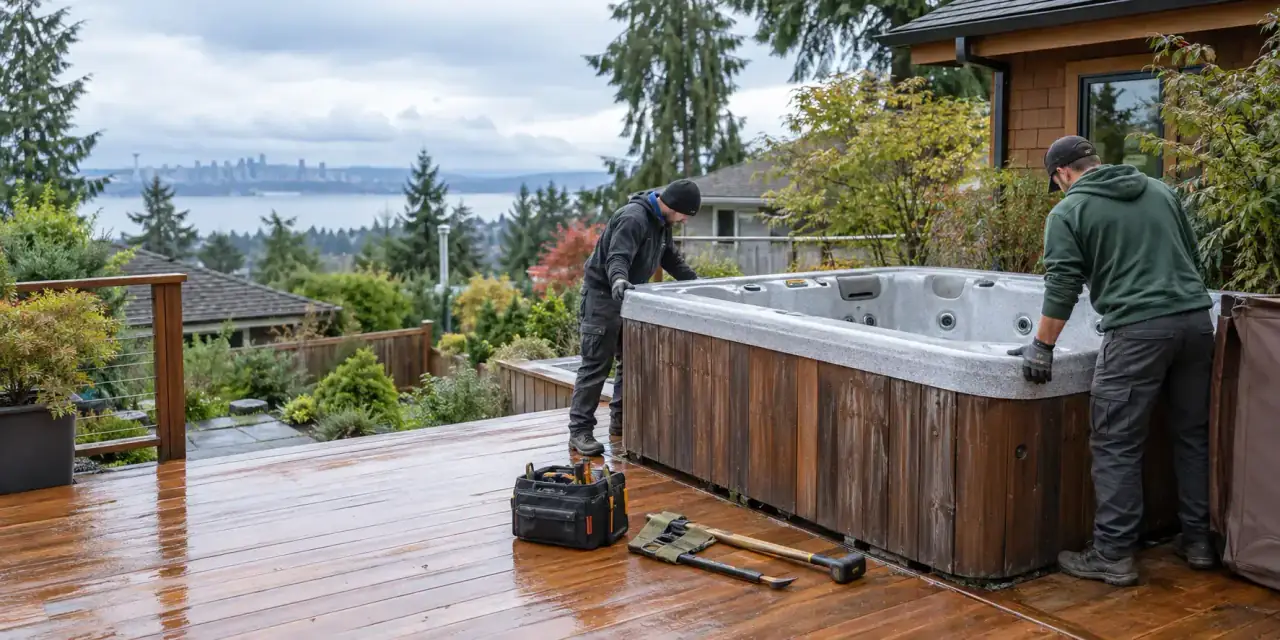
What this scope can cover
- Freestanding residential spas
- Ordinary cabinet and equipment components
- Controlled disassembly when required
- Loading and cleanup within the agreed scope
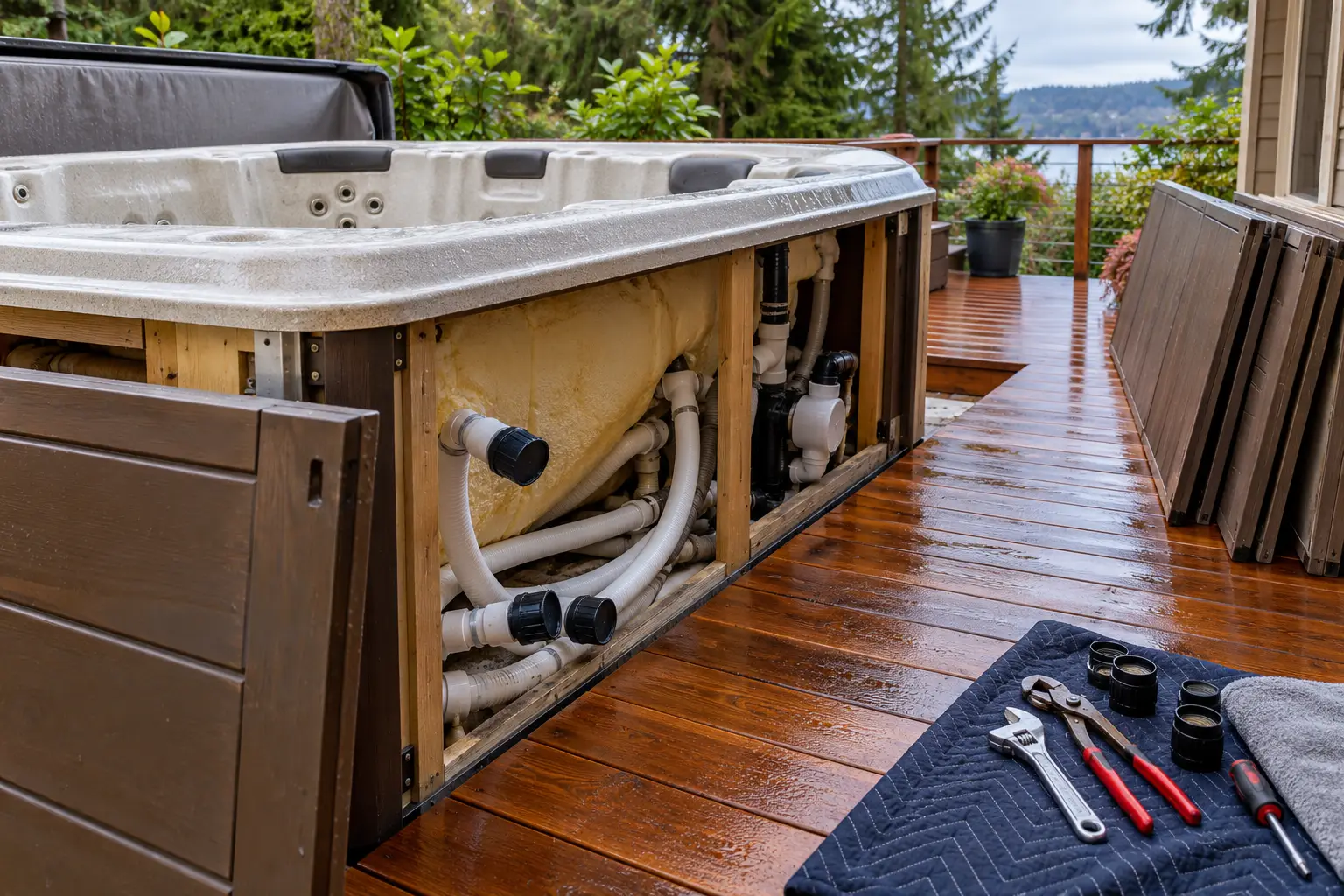
Prepare the site without creating a second project.
Share the current condition and leave heavy or unstable pieces in place. The goal is a useful assessment, not unpaid demolition before the estimate.
- 1Drain the spa.
- 2Have utility connections made safe.
- 3Record the make and dimensions when available.
- 4Photograph all sides and the route to the street.
What shapes the estimate
Photos help with early planning. The final scope depends on the actual materials, access, and work agreed at the property.
- Spa size and construction
- Equipment and cabinet condition
- Deck or enclosure placement
- Gate width and turns
- Loading distance
Spa Removal questions
See all FAQsIs spa removal different from hot tub removal?
The planning steps are similar. The service name can match how the owner or manufacturer describes the unit.
Can the spa move in one piece?
A wide, level route may allow it. Tight access or damaged components can require dismantling.
Should water remain in the spa?
No. The spa should be fully drained before removal.
Define the scope before the crew arrives.
Use the estimate checklist to capture the item, access, utilities, and finish line.